“Acho Bad Bunny es otra cosa” – How Bad Bunny’s show reveals the NFL’s brilliant PR moves
There has been a lot of talk surrounding the most recent halftime show, where Benito Antonio Martínez Ocasio, better known as Bad Bunny, took the stage at one of the biggest events of the year — for both sports and music — making history as the first performer to headline a halftime show entirely in Spanish. This show was a celebration of Puerto Rican history and culture for viewers around the world. As communication professionals, we should see that this event was not just a musical showcase, but a case study for a communications campaign done right. No matter your opinion of the show, it was an amazing PR move by the NFL, and here’s why.
The NFL used the halftime show as an audience-expansion strategy. Through Bad Bunny’s stardom, propelled by his summer 2025 “residencia” and his album “Debí tirar más fotos,” the NFL managed to expand the demographics of its viewers. It was not just profitable, but great for building its reputation. Not to mention, Bad Bunny is the most-streamed artist of the year for the fourth time now, with more than 19.8 billion streams. He is Spotify’s 2020, 2021, 2022 and now 2025 top global artist and the most recent Album of the Year winner at the Grammys. The more obvious question for us is: Why wouldn’t the NFL want Bad Bunny as the halftime show performer?
On top of all this, if we take a look at the NFL’s viewer demographics according to Media Culture, we see an “average age of 49, skewing male (57%), predominantly White (68%), with Gen X and Baby Boomers making up 60% of the audience.” These are the people we already expect will be watching the game.
Alternatively, here are Bad Bunny’s listener demographics according to Spotify:
- “Listeners aged 13 to 27 led the way, accounting for 61% of his global streams and 51% in the US during the shows.”
- “While the residency was in Puerto Rico, its impact was global. Mexico led all countries in streaming, and the top-streaming cities worldwide included Mexico City, Santiago, Bogotá, Lima, and Guatemala City. In the US, the most streams came from California and Texas, with New York City and Miami leading among cities.”
These are the people who, according to the NFL’s main viewer demographic, probably would not turn on the game, but with Bad Bunny performing, could be more likely to tune in. Acquiring a bigger audience can do more for the NFL’s brand than appeasing its current one. PR success isn’t about pleasing everyone. It’s about achieving strategic goals. And guess what? According to Nielsen, Bad Bunny had one of the top five most-viewed halftime shows of all time, with an average of 128.2 million viewers.
There is a great lesson to be learned from this. In our field, we know how important it is to clearly communicate our key messages to everyone in the campaign. The more people who know and understand these messages, the stronger your campaign results. That is exactly what the NFL did in the buildup to this show.
If you were paying attention, you likely heard who was performing at the Halftime Show well before the week of the game. The key messages of “Together, we are united” and “This is Puerto Rican culture” have been steadily repeated to us by Apple and the NFL since before the year even started.
When Bad Bunny appeared on SNL, he began emphasizing these messages. Later, social media posts from Apple Music further highlighted this with messages like “The world’s invited” and “@badbunnypr is bringing Puerto Rico to the world’s biggest stage.” The language of the posts has always had a global emphasis. (https://tomandlorenzo.com)
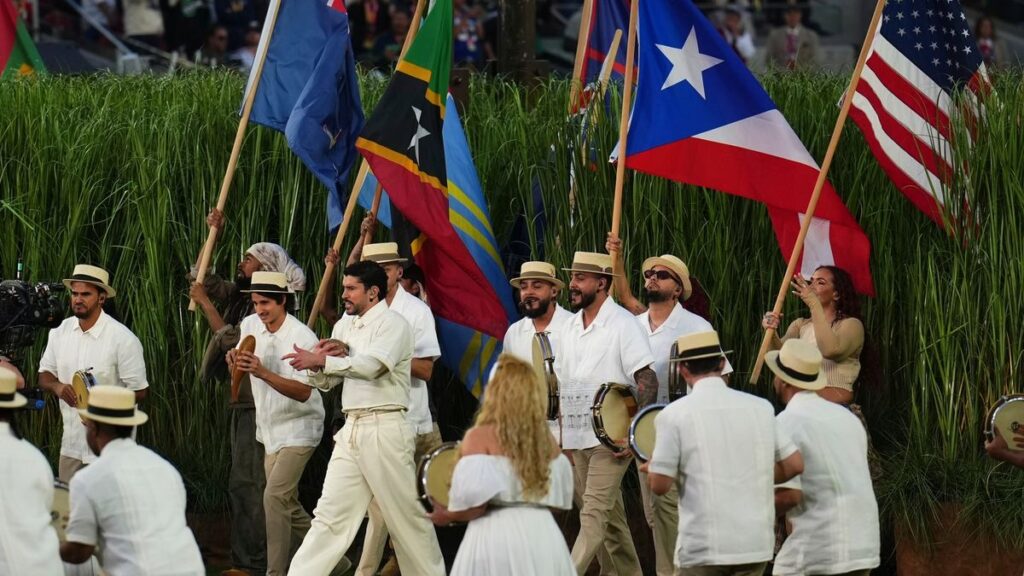
The delivery of the messages went beyond the digital space, though. During the performance, many intentional details placed emphasis on unity. The most visible being the run with the flags as well as the football he displayed at the end.
Additionally, the NFL placed importance on cultural relevance over tradition, positioning itself as an organization that is open to progression and innovation. According to AP-NORC, these qualities are important to younger generations, which is the exact audience the NFL appealed to by encouraging Bad Bunny’s halftime show performance.
We’d be remiss if we didn’t mention the brilliant move of bringing the couple to get married at the Super Bowl. It was a novel idea that added an additional layer of intrigue to Bad Bunny’s show and helped humanize both Benito and the NFL.
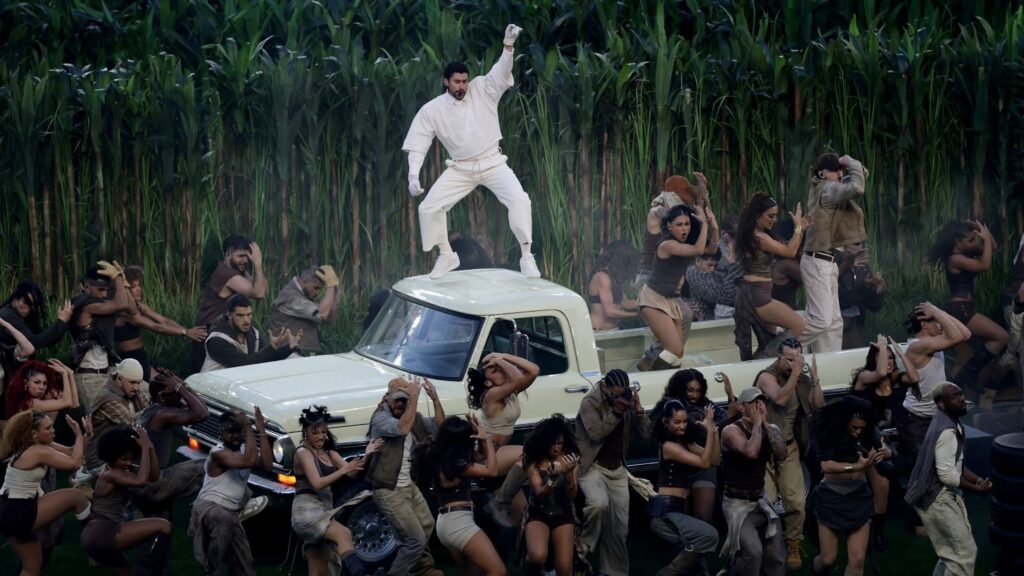
Bad Bunny delivered an exceptional performance that showcased the artist he is by highlighting his roots, celebrating Puerto Rican culture and ensuring a message driven by love and unity, not division. In our careers as PR professionals, we can learn from these moves and apply them to our own careers. Clear messages, strategic selection of partnerships and a well-established strategy can change your client’s game for years to come.
Jeshua Aponte (he/him) is a senior at Purdue University majoring in public relations and accounting, with a minor in philosophy. He was born and raised in Caguas, Puerto Rico, and is constantly looking for new ways to connect with people. You can get in contact with him on LinkedIn or his personal Instagram, @apontejeshua.

Chloe Martin is a graduate student at the University of Southern Mississippi pursuing a Master of Science in public relations. She serves as USM PRSSA’s vice president and is passionate about helping others make meaningful connections. You can connect with her on LinkedIn here!